Nullarbor Roadhouse

August 2017

Uncategorized

Creatures Of The Middle Of Nowhere – Wildlife Of The Nullarbor Plain

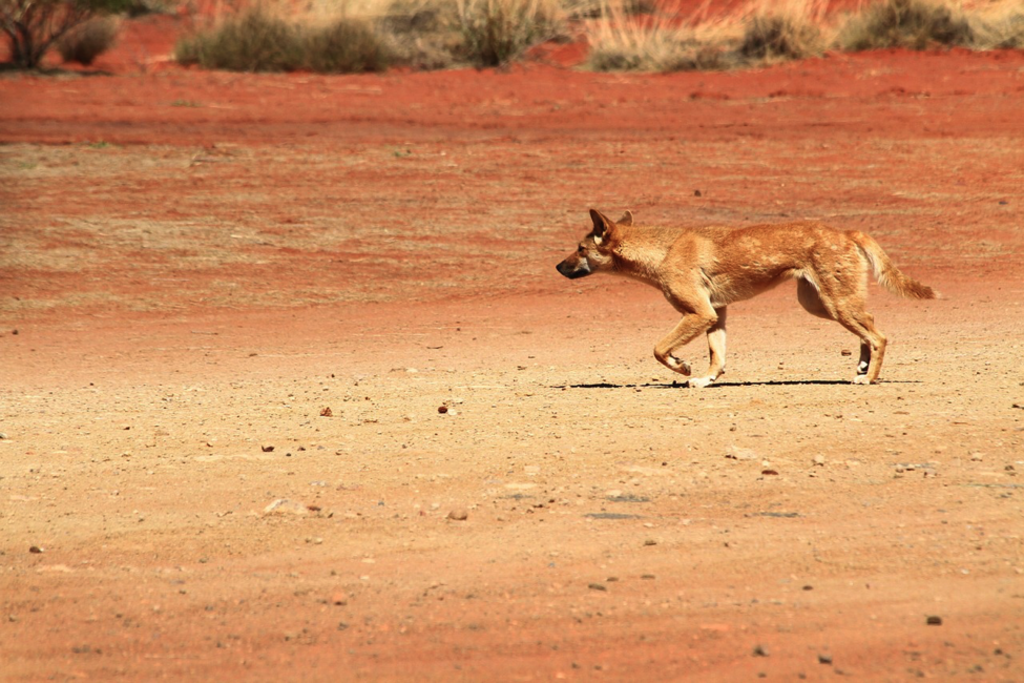
The Nullarbor is vast and barren and might not seem like it would sustain life, but there is actually a diverse range of animals who live here. Creatures who make their home here have adapted to living in the extremely hot, arid conditions. Some are quite rare – which is why vast areas of the plains are heavily protected. There are certain bird species that are unique to South Australia, such as the Plains Wanderer and the Nullarbor Quail-Thrush – as well as the Nullarbor Bearded Dragon. Herds of wild camels also roam across the plains, moving in herds of 10-40. Here are a few wildlife species that you may see as you travel across the Nullarbor: The Mallee Fowl The nesting habits of this strange and rare bird keep ornithologists around the world intrigued. The female will lay an enormous egg (compared to the size of her body) and then leaves the male to look after it. He builds a large mound of twigs, earth and leaves to incubate the egg and monitors the temperature carefully, removing earth from the mound if the egg gets too hot. He keeps things just right for about 40 days, until the chick hatches. The little one is ready to spread its wings and fly within only 24 hours. Southern Hairy-Nosed Wombat The Southern Hairy Nosed Wombat shelters from the sun by burrowing into the sand, so its entire body is designed for digging. It has five digits, flat claws and a stocky and robust build so that it can dig through the tough ground. Up to 10 wombats can live together in the complex underground warrens they create beneath the surface of the earth. Dingos These wild dogs scavenge the vast plains of the Nullarbor. They are adaptable creatures and can survive in a range of different ecosystems in Australia including forests, grasslands and deserts. They usually make their homes within hollow logs or deserted rabbit holes. The Nullarbor dingos have evolved to migrate over long distances. The longest migration route measured with a radio collar was around 250 km. Red Kangaroos These kangaroos can be seen on the Nullarbor Plain as well, although they are more active at night. The largest of all kangaroo species, they are at home in deserts and scrublands with some bushes or trees for shade. They are able to conserve water and select fresh vegetation in order to survive on the vast, dry Nullarbor Plain. Nullarbor Bearded Dragon This fascinating, spiky lizard is quite rare and is only found in this region of the world. It can grow up to 14 inches long and is adapted to living in the dry heat of the flat brush ecosystem. It is distinguished by the rows of large spines down the angle of its body, which certainly makes it look more intimidating to predators. These are just a few of the many species that make their home on this vast and barren plain – so keep your eyes peeled and your camera batteries charged in case you spot them! Photo Credit: Pixabay
Uncategorized

Q&A With Felicity Brown From Chinta Air

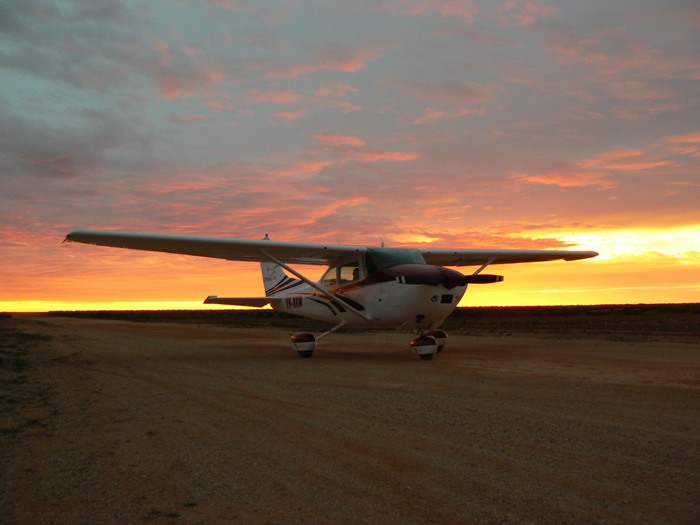
Did you know Nullarbor Roadhouse has its very own airstrip? This winter, we have the pleasure of hosting Chinta Air at the Nullarbor Roadhouse and are able to have guests take off into the skies right from our back door! Through our affiliation with Chinta Air, we have launched “A Flight, A Night and A Bite” which allows our guests the opportunity to enjoy a scenic flight with Chinta Air over the Head of the Bight for some staggering views of the Southern Right Whales migrating, and the breath-taking Bunda Cliffs, as well as a stay in our motel accommodation and a two-course meal in the Nullarbor Roadhouse Restaurant. We sat down with Felicity Brown the Chief Pilot of Chinta Air to discuss some of the most exciting aspects of her role, and allow our guests a chance to get to know a little more about Chinta Air and their scenic flights Can You Tell Me A Little Bit About Yourself? I’m the Chief Pilot of Chinta Air (currently the only female chief pilot in South Australia). I was formerly a secretary, a newspaper reporter, and then I managed a community resource centre before learning to fly. I’m in a relationship with 3 children. What Does Chinta Air Do? Chinta Air is an air charter company with bases across South Australia. The main base is at Ceduna, on the Far West Coast of SA. Other bases are at Rawnsley Park Station on the South side of Wilpena Pound in the Flinders Ranges, in Adelaide, and (during winter) at the Nullarbor Roadhouse. From each base, Chinta Air offers scenic flights over local attractions, and day tours to regional attractions. For example, from Nullarbor, passengers can take a day tour to Maralinga on the Great Victoria Desert, which was used as a nuclear bomb testing site in the 1950s and 1960s. Chinta Air Tours also offers an air taxi service. For example, from Nullarbor, a passenger can take an air taxi to meet up with the Indian Pacific train at Forrest. For those who really want to explore the Outback, Chinta Air offers tailor made air safaris of the Australian Outback, for example, from Adelaide to Uluru over four days, with stops in the Flinders Ranges and Coober Pedy. Chinta Air are the Outback Air Specialists Chinta Air, How Did It Start? The spark for the business began when one of the owners, Felicity Brown, learned to fly (for a bet) and competed as the pilot for a team named “Delilahs of the Desert” in the 1998 Mobil Outback Air Race. At the time, Felicity was working as a Community Resource Centre co-ordinator in regional Western Australia and a single mum. The Outback Air Race is a navigation trial for light aircraft, similar to the Variety Club Bash, and is held every two years to raise funds for the Royal Flying Doctor Service. Co-owner Noel Schwarz is a successful, innovative farmer at Ceduna on the West Coast of South Australia. In 2000, despite living in different states, the pair of passionate pilots bought an aircraft, and promptly realised that flying is a very expensive hobby. In 2002, Felicity moved across the Nullarbor to Ceduna and the stark reality occurred that the dream of flying needed to be turned into an aviation business. From their home base at Ceduna, the couple applied for an Air Operators Certificate, and a travel agency licence. This was the first time an air charter business had been established at Ceduna. Why Do You Think People Love The Tours Out On The Nullarbor? The attraction of the Nullarbor is the isolation and sense of space. At night, the ability to see stars from horizon to horizon always inspires awe. I think part of the attraction is that the Nullarbor is a destination that everybody has heard about, but aren’t really sure of what to expect. The biggest mistake with the Nullarbor is to drive across it in one day. The Nullarbor has hidden layers and unexpected sights, but these are not easily accessible. So you have to take the time, and allow the subtle beauty to wash over you to truly appreciate the Nullarbor. What Are Some Of The Most Common Reactions You Get From People Who Go On The Tour? Some of the reactions are:A must do, excellent flight, saw heaps of whales, pilot was fantastic, it puts a whole new perspective on the Nullabor and Bunda cliffs if you get the chance, DO IT!The Nullarbor is not as flat as I thought it was going to be. What Do You Love Most About Your Job? Every day is something different – from flying a scenic flight to taking people to a remote community to hosting international travellers on a once-in-a-lifetime experience.

Scroll to Top